
Article Contents
For years, travelers have questioned why flying within the United States often feels far more limited than flying internationally, especially when it comes to onboard food and beverage service.
You can take relatively short flights throughout Europe or Asia and still receive meals, complimentary beverages, or at minimum a more complete onboard experience in economy class. Meanwhile, many domestic flights within the United States have gradually shifted toward smaller snacks, reduced beverage service, buy-on-board menus, or, on some routes, almost no service at all.
Now, both Delta Air Lines and American Airlines are making additional changes to their onboard service offerings, and while the headlines may sound alarming, the reality is a bit more complicated.
Delta Air Lines Is Eliminating Service on Hundreds of Short Flights
Delta recently announced that it will eliminate snack and beverage service on approximately 450 daily flights under 350 miles. According to the airline, these shorter flights often do not provide flight attendants enough time to safely complete traditional beverage cart service due to climb times, turbulence, and short cruising periods.
Delta Air Lines’ official announcement regarding domestic snack and beverage service changes.
The changes primarily impact shorter domestic routes, particularly regional flights where actual cruising time may only last a few minutes before descent begins.
Still, many travelers are unhappy with the decision, especially because Delta positions itself as a premium airline compared to ultra-low-cost carriers.
At the same time, Delta is also expanding full snack and beverage service on flights over 350 miles, including routes that previously offered only limited or express service.
And honestly, this is where many travelers would argue the airline industry is finally correcting something that never made much sense to begin with.
For years, it became oddly normal in the United States to fly nearly six hours across the country, such as New York to Los Angeles, and receive little more than a small snack in economy class. Meanwhile, airlines in Europe and Asia often provide meals on flights that are significantly shorter.
The expansion of more complete service on longer domestic routes feels less like a luxury upgrade and more like a return to what many passengers believe should have existed all along.
American Airlines Is Also Expanding Food and Beverage Options on Longer Flights
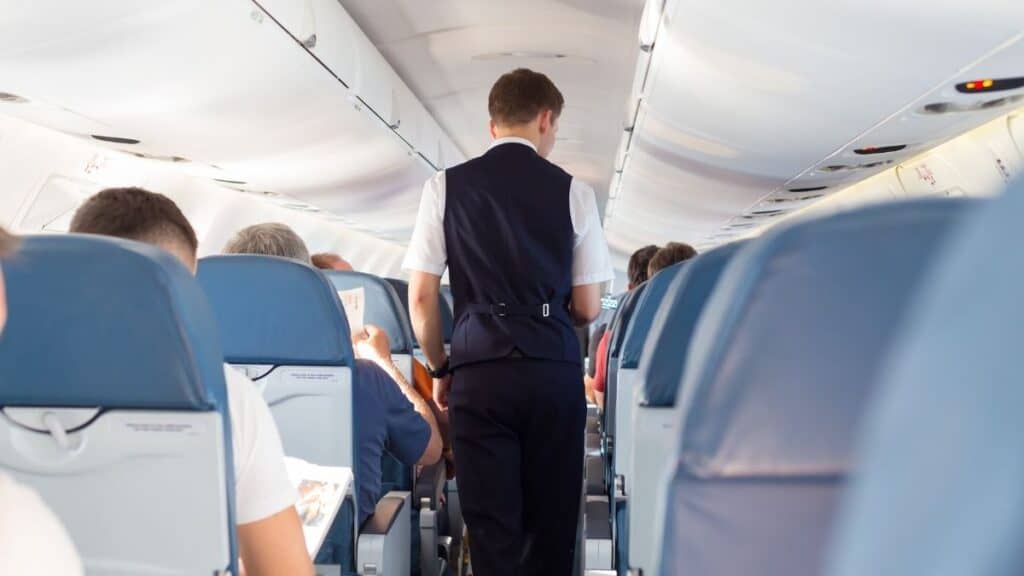
American Airlines recently refreshed portions of its onboard dining and snack offerings on longer domestic routes, although its recent changes have focused more on refreshing food and snack selections rather than eliminating service entirely.
Insert American Airlines article/source link here
The airline has continued expanding and updating portions of its onboard menu, particularly on longer domestic routes and premium transcontinental flights. American also continues offering buy-on-board food options on many domestic flights depending on route length and aircraft type.
Like Delta, American increasingly appears focused on creating a clearer separation between very short-haul flying and longer domestic routes where passengers may spend five or six hours onboard.
United Airlines Has Already Been Using a Similar Model
Interestingly, United Airlines has already been operating under a similar service structure for years.
United currently provides complimentary snacks to Economy passengers on flights over 300 miles. On select flights over 500 miles within the United States, Canada, Latin America, and the Caribbean, additional food and snack items are available for purchase throughout the day.
On flights over 1,190 miles, United offers its Bistro on Board menu, including both hot and cold meals available for purchase. On international flights, United still provides complimentary economy meals including bread, salad, a main entrée, dessert, beverages, and additional meal service on ultra-long-haul routes.
In many ways, Delta and American appear to be moving closer toward the service model United has already established:
- minimal service on very short flights
- snacks and beverages on medium-haul routes
- expanded food options on longer domestic flights
- full meal service on international routes
JetBlue and Southwest Still Offer More Complimentary Service
Some airlines outside the traditional “Big Three” still maintain more generous complimentary offerings than many travelers realize.
JetBlue continues providing free unlimited brand-name snacks and complimentary non-alcoholic beverages, including Pepsi products, Dunkin’ coffee, and water, on all flights. On transatlantic flights, JetBlue also includes complimentary meals for both Core and Mint passengers. Domestic flights feature “EatUp” snack boxes and fresh “EatUp Café” items available for purchase on longer routes.
Southwest Airlines also continues offering complimentary non-alcoholic beverages and small snacks on flights over 251 miles. While Southwest does not offer full meals or onboard food purchases, many travelers still view the airline as maintaining a more traditional domestic flying experience.
Low-Cost Airlines Continue the “Pay for Everything” Approach
Of course, ultra-low-cost carriers such as Frontier Airlines continues to operate under a very different business model altogether.
These airlines generally do not provide complimentary snacks or beverages in economy class, instead relying heavily on onboard purchases and ancillary fees to keep advertised base fares lower.
Most passengers booking these airlines already understand that food, beverages, seat assignments, and even carry-on bags may come at an additional cost.
The difference is that travelers often expect more from traditional legacy airlines like Delta, American, and United, especially when fares on those carriers can sometimes cost significantly more than low-cost competitors.
Airlines Tend to Follow Each Other’s Lead
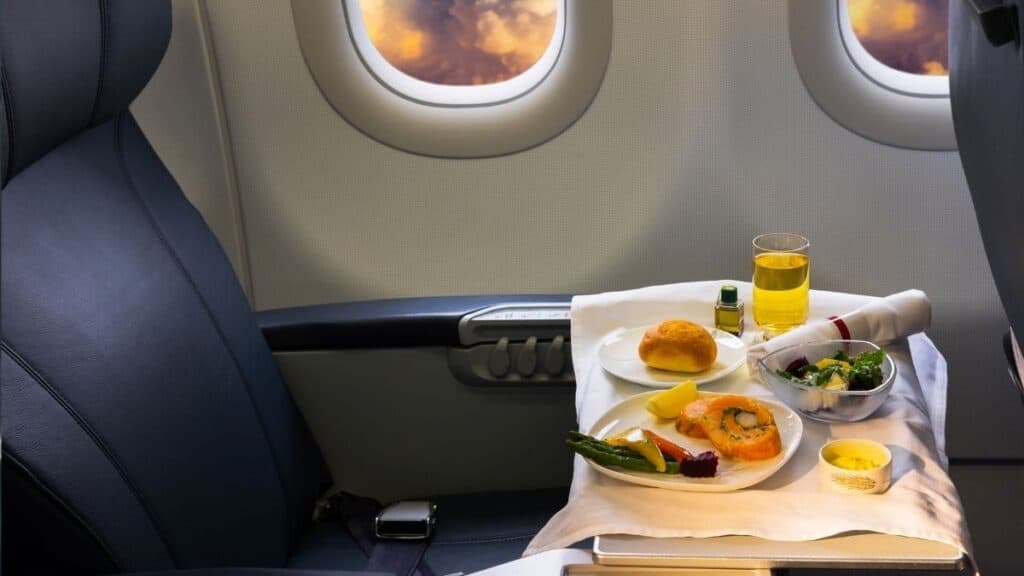
One thing the airline industry has consistently shown over the years is that when one major carrier successfully introduces a cost-cutting measure or restrictive fare type, competitors often follow shortly after.
A major example of this was the introduction of Basic Economy fares.
Delta Air Lines was the first major U.S. legacy carrier to roll out a true Basic Economy product designed to compete with ultra-low-cost airlines. Not long after, both American Airlines and United Airlines introduced their own versions.
United eventually pushed the model even further by restricting full-size carry-on bags on many Basic Economy fares, requiring passengers to either pay additional fees or check their bags.
Over time, what initially felt controversial slowly became normalized across much of the industry.
That is why many travelers are paying close attention to Delta’s latest onboard service changes. Historically, when one major airline successfully reduces costs without significantly impacting bookings, competitors often adopt similar strategies later.
The Bigger Debate About Domestic Air Travel
Ultimately, the conversation is not necessarily about whether travelers expect a full meal on a one-hour flight.
Most passengers understand that routes like Jacksonville to Atlanta or Los Angeles to Las Vegas leave very little time for extensive service.
The bigger issue is whether airlines are slowly normalizing the removal of even the most basic amenities while ticket prices continue rising.
At the same time, many travelers would argue that improving food and beverage offerings on longer domestic routes is long overdue and helps bring U.S. airlines slightly closer to the standard many international carriers have maintained for years.
For many passengers, something as simple as complimentary bottled water, coffee on morning flights, or a basic snack still represents part of what separates a full-service airline from a low-cost carrier.
As airlines continue adjusting their onboard offerings, travelers are increasingly asking an important question:
At what point does a “full-service” airline stop feeling full-service?