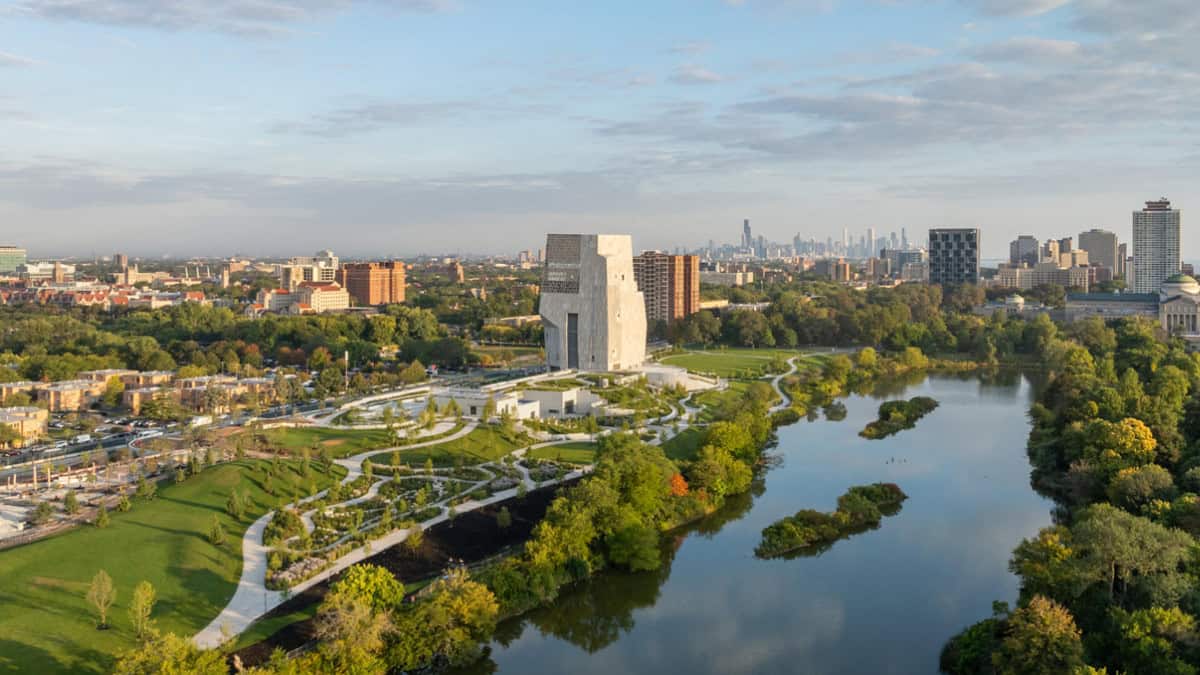
When the Obama Presidential Center opens on June 19, 2026, it won’t just mark another presidential library opening. It will represent something much bigger, especially for Black Chicago.
For decades, Chicago’s South Side has been one of the most culturally influential Black communities in America. Long before Barack and Michelle Obama became global figures, the South Side was already shaping music, politics, food, art, activism, and Black identity in ways that impacted the entire country.
The opening of the Presidential Center feels symbolic. At a time when Chicago, and particularly the South Side, has often been reduced to headlines about crime and violence, this project shifts the focus back to legacy, achievement, culture, and community.
That matters.
A Neighborhood Built by the Great Migration
Chicago’s Black history cannot be discussed without talking about the Great Migration. Throughout the early and mid-1900s, millions of Black Americans moved north from Southern states searching for opportunity, safety, and a better future. Many settled on Chicago’s South Side, creating thriving neighborhoods filled with Black-owned businesses, churches, restaurants, music venues, newspapers, and political organizations.
Over time, the South Side became one of the most important centers of Black culture in America.
The influence of the area can still be felt today through its food, music, architecture, and storytelling. In my opinion, Chicago is one of the best food cities in the country, especially when it comes to Black food culture. The South Side helped define everything from barbecue spots and soul food restaurants to local neighborhood staples that generations of families still support today.
More Than Headlines
Unfortunately, in recent years, the South Side has often been portrayed through a narrow lens. National media coverage has frequently focused on violence, poverty, and sensationalized nicknames like “Chiraq,” while ignoring the history, talent, resilience, and everyday life that make these communities special.
But the South Side has always been more than the headlines.
This is the same area connected to leaders, artists, entertainers, and cultural figures who helped shape America. People like Carol Moseley Braun, the first Black woman elected to the United States Senate, and Kanye West, whose music helped redefine hip-hop for an entire generation. It’s home to talents like Jennifer Hudson and Sherri Shepherd.
Even artists associated with Chicago’s drill music scene, including Chief Keef and King Von, reflect another chapter of the city’s complicated cultural influence. Whether celebrated or controversial, they are still part of Chicago’s story.
And now, the Obama Presidential Center becomes part of that story too.
A Lasting Legacy for Future Generation
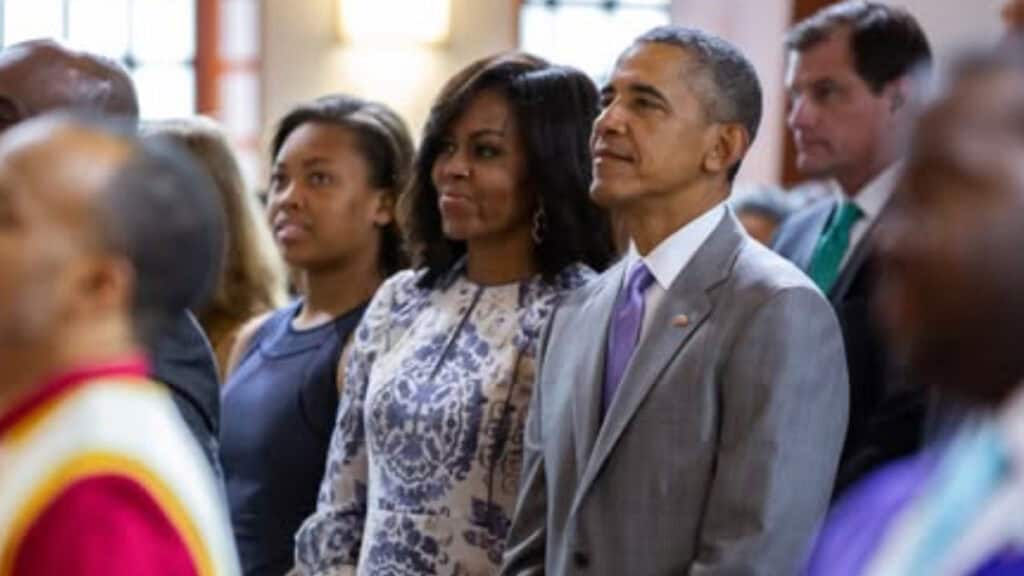
For many people, Barack Obama’s presidency represented possibility. But placing his Presidential Center on the South Side of Chicago makes the message even more powerful. It connects that legacy directly back to the community that helped shape both him and Michelle Obama.
This is not just about preserving presidential records. It’s about investing in a historically Black community and creating a destination that will bring tourism, economic activity, jobs, and attention to an area that deserves recognition for more than struggle.
For travelers, the Center also creates another reason to explore Chicago beyond downtown attractions like The Loop or Navy Pier. Visitors will have an opportunity to experience the South Side’s history, restaurants, culture, and neighborhoods in a different way.
The Obama Presidential Center will likely become one of the most important Black cultural landmarks in the country, and honestly, it feels right that it’s happening in Chicago.
Because luxury, culture, history, and legacy have always existed on the South Side. The rest of the world is just being reminded of it.