
Cruising 101 A Complete Guide

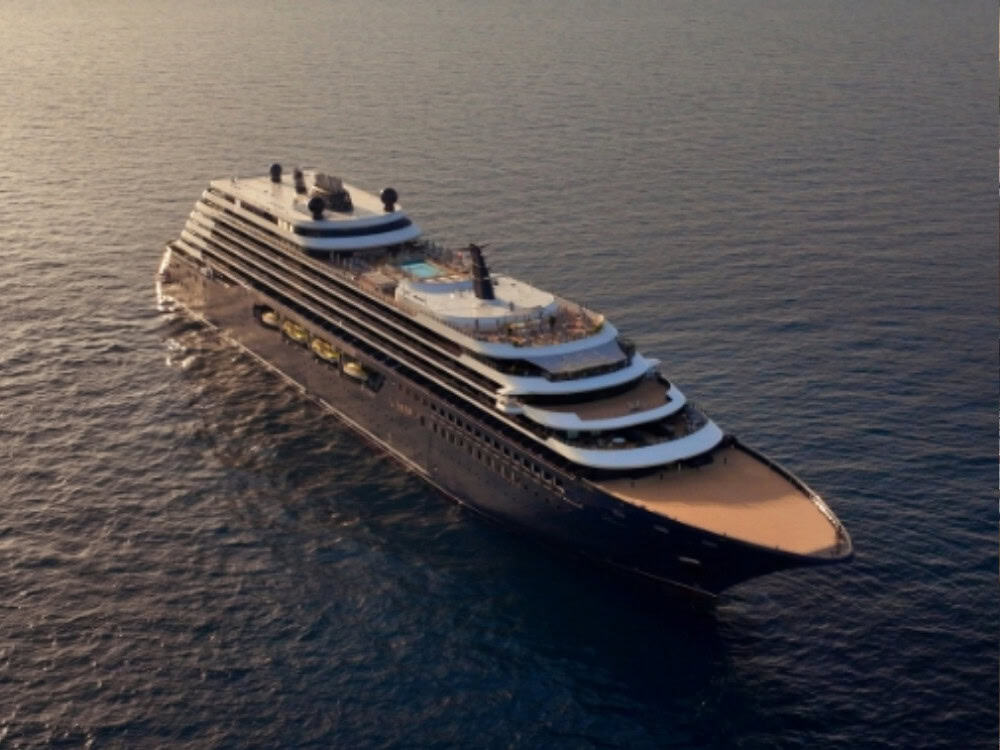
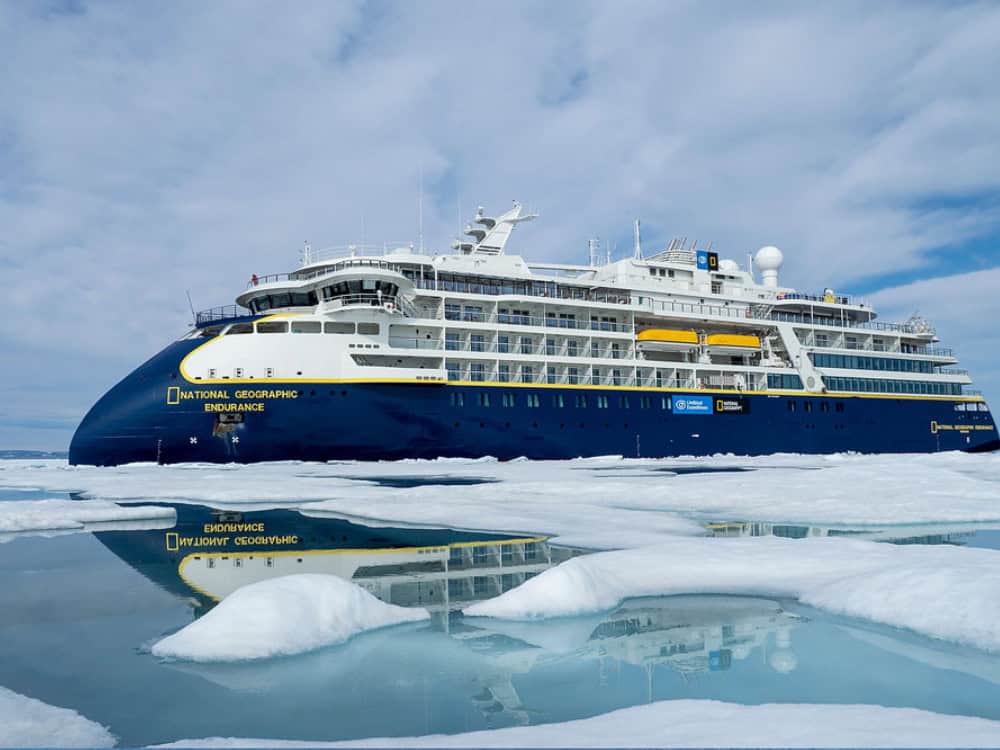
The Ritz-Carlton luxury yacht at sea
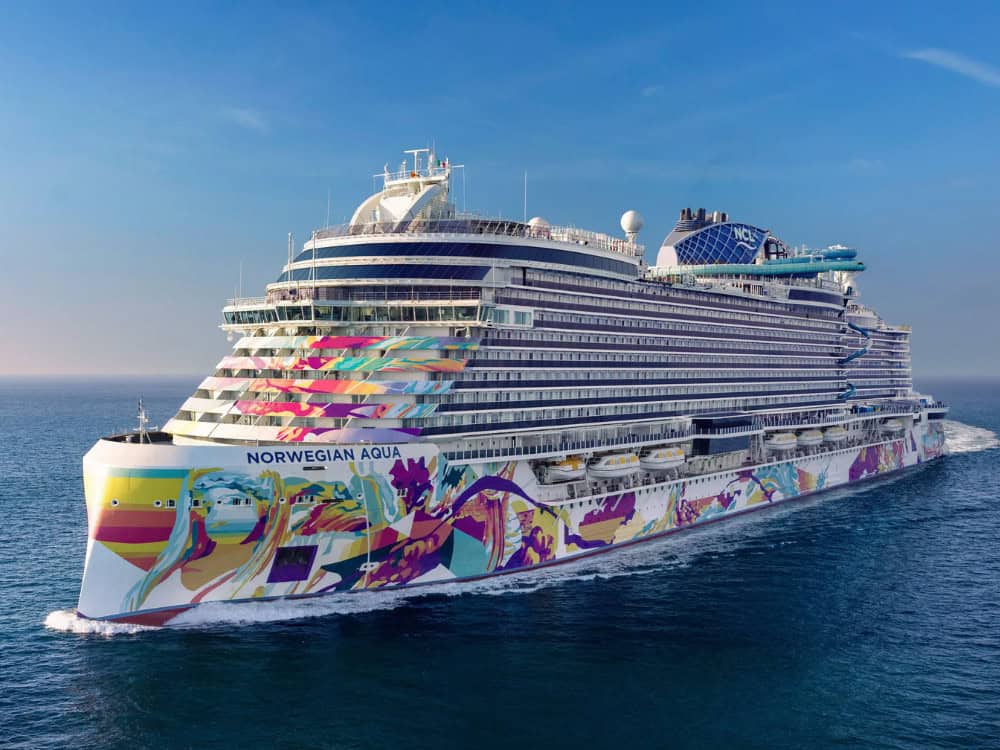
Norwegian Aqua cruise ship at sea
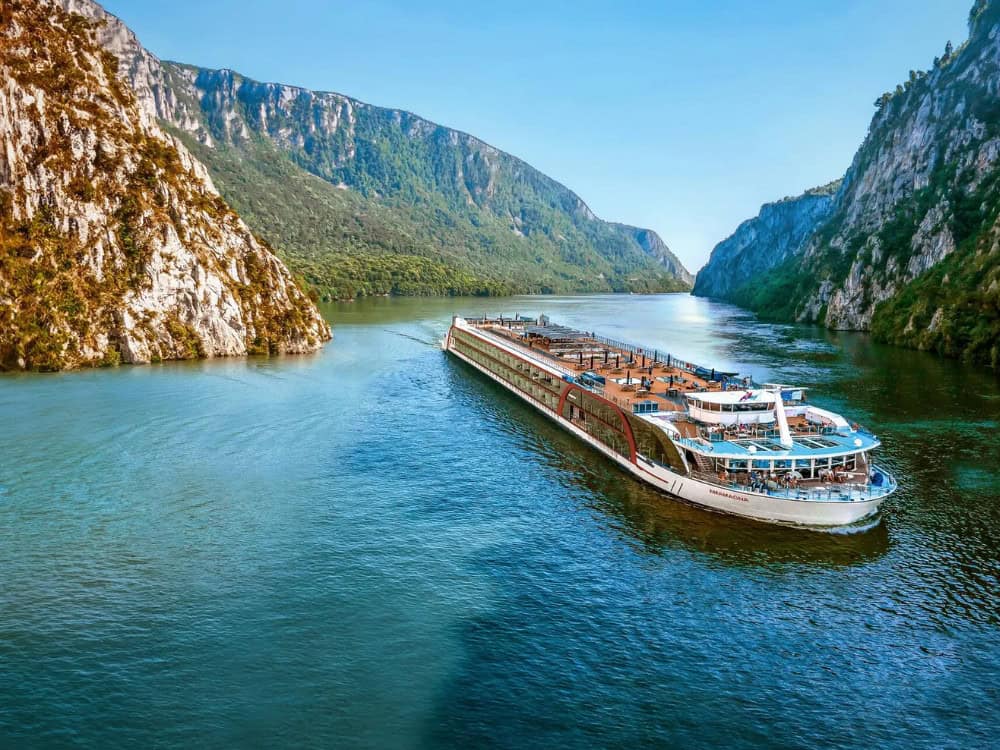
AmaWaterways river cruise ship cruising through a scenic river valley
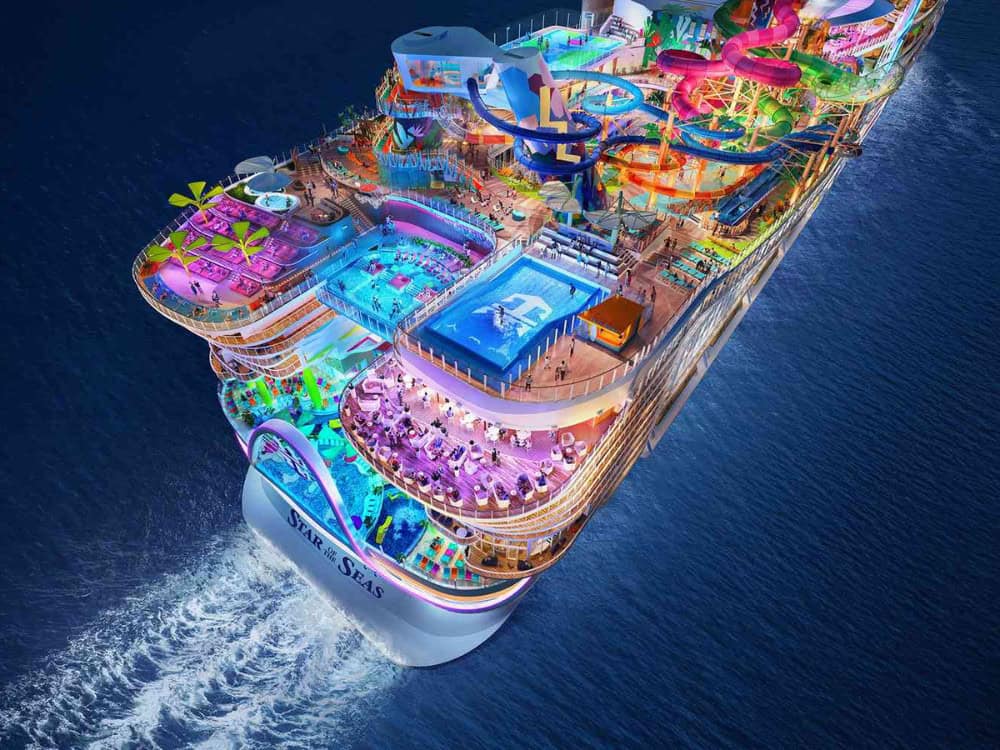
Royal Caribbean cruise ship with colorful upper decks

Cruising has become one of the most popular ways for Black travelers to see the world, offering the opportunity to experience multiple destinations in a single vacation without constantly packing and unpacking. Whether you’re dreaming of the Caribbean, Alaska, Europe, or destinations farther afield, cruising combines convenience, value, and unforgettable experiences into one seamless journey.

This guide covers everything you need to know before booking your next cruise, including the world’s most popular cruise regions, passports and travel documents, life onboard, dining, safety, currency, the best time to cruise, and practical travel tips to help you choose the right itinerary for your next vacation.

General Information

Cruising Travel Basics

Entry Requirements

Passport requirements vary depending on your cruise itinerary. Most closed-loop cruises that begin and end at the same U.S. port allow U.S. citizens to travel with a government-issued photo ID and an original or certified copy of their birth certificate. However, a valid passport is strongly recommended and is required for many international itineraries, one-way cruises, and voyages that begin or end in a foreign country.

Safety

Cruising is considered one of the safest ways to travel, with modern ships operating under strict international safety standards. Before departure, every guest participates in a mandatory safety drill, and cruise lines maintain onboard medical facilities, security personnel, and emergency procedures to help ensure a safe and enjoyable vacation.

Currency

Most major cruise lines use a cashless onboard system where purchases are charged directly to your stateroom account using a credit card or other payment method you register before sailing. While U.S. Dollars are accepted in many Caribbean ports, travelers visiting Europe, Asia, South America, or other international destinations should plan to use the local currency or a credit card with no foreign transaction fees.

Best Time to Cruise

Cruise lines operate year-round by repositioning their ships based on seasonal demand. Caribbean cruises are available throughout the year, although hurricane season runs from June through November. During the summer months, many ships relocate to destinations such as Alaska, Northern Europe, and the Mediterranean, while winter brings additional sailings to the Caribbean and other warm-weather destinations.

Food & Drink

One of the highlights of any cruise is the variety of dining options available. Most fares include meals in the main dining rooms, buffets, casual eateries, and select cafés, while specialty restaurants offer elevated dining experiences for an additional charge. Many cruise lines also offer beverage packages for guests who wish to enjoy unlimited soft drinks, specialty coffees, or alcoholic beverages throughout their voyage.

Life Onboard

Modern cruise ships offer far more than transportation between destinations. Guests can enjoy Broadway-style entertainment, live music, comedy shows, casinos, spas, fitness centers, pools, water parks, shopping, and activities designed for travelers of all ages. Whether you're looking to relax by the pool or fill your days with nonstop entertainment, today's cruise ships provide something for every travel style.

Graphic of the 12 most popular cruis regions

Which Cruise Region Is Right for You?

Explore the world’s most popular cruise destinations. Select a region below to discover popular ports of call, departure ports, and what makes each itinerary unique.

Eastern Caribbean cruise region
EXPLORE CRUISE REGIONS

Eastern Caribbean

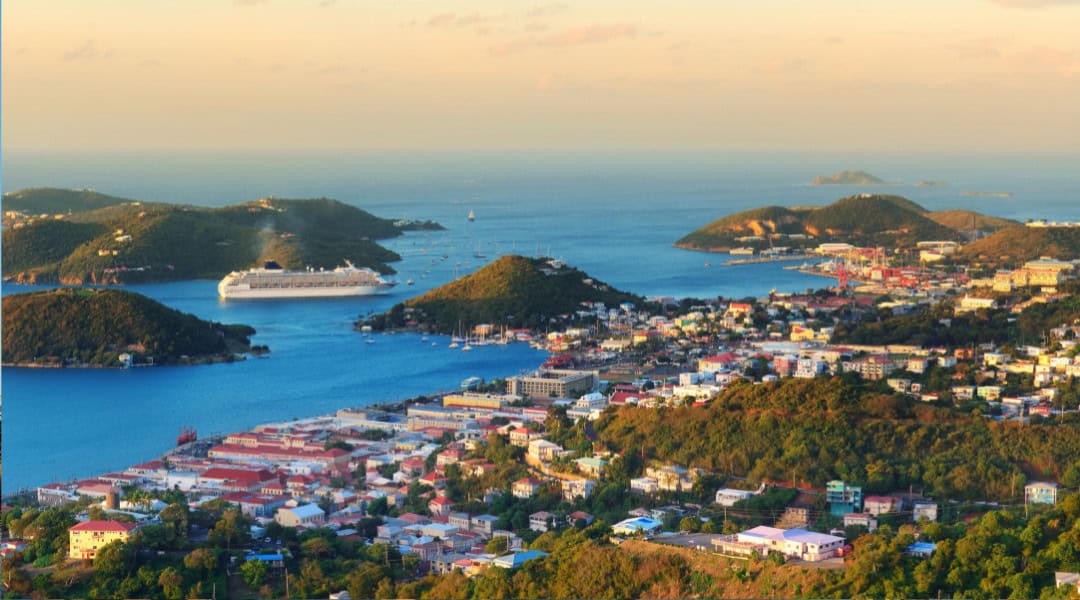
Eastern Caribbean cruises are known for turquoise waters, white-sand beaches, and vibrant island culture. These cruises are ideal for first-time cruisers, beach lovers, and travelers looking for a relaxing tropical vacation with a mix of sightseeing, shopping, and water activities.

Popular Ports of Call
  • St. Thomas
  • St. Maarten
  • San Juan
  • Tortola
  • Nassau
Common Departure Ports
  • Miami
  • Port Canaveral
  • Fort Lauderdale
  • San Juan
  • New York

Caribbean & Panama Canal

Eastern Caribbean cruise region
EXPLORE CRUISE REGIONS

Eastern Caribbean

Eastern Caribbean cruises are known for turquoise waters, white-sand beaches, and vibrant island culture. These cruises are ideal for first-time cruisers, beach lovers, and travelers looking for a relaxing tropical vacation with a mix of sightseeing, shopping, and water activities.

Popular Ports of Call
  • St. Thomas
  • St. Maarten
  • San Juan
  • Tortola
  • Nassau
Common Departure Ports
  • Miami
  • Port Canaveral
  • Fort Lauderdale
  • San Juan
  • New York

North America & Pacific

Alaska & Western Canada cruise region
EXPLORE CRUISE REGIONS

Alaska & Western Canada

Alaska cruises showcase towering glaciers, snow-capped mountains, abundant wildlife, and charming frontier towns. Alaska is ideal for nature lovers, photographers, and travelers looking for breathtaking scenery and unforgettable wildlife encounters.

Popular Ports of Call
  • Juneau
  • Ketchikan
  • Skagway
  • Sitka
  • Glacier Bay (scenic cruising)
Common Departure Ports
  • Seattle
  • Vancouver
  • Seward
  • Whittier

Europe & Arctic

Western Mediterranean cruise region
EXPLORE CRUISE REGIONS

Western Mediterranean

Western Mediterranean cruises visit some of Europe's most iconic destinations, including Spain, France, and Italy. This region is perfect for travelers interested in history, art, architecture, world-famous cuisine, and unforgettable cultural experiences.

Popular Ports of Call
  • Barcelona
  • Marseille
  • Civitavecchia (Rome)
  • Naples
  • Livorno (Florence/Pisa)
Common Departure Ports
  • Barcelona
  • Civitavecchia (Rome)
  • Marseille
  • Genoa

Rest of the World

South America & Antarctica cruise region
EXPLORE CRUISE REGIONS

South America & Antarctica

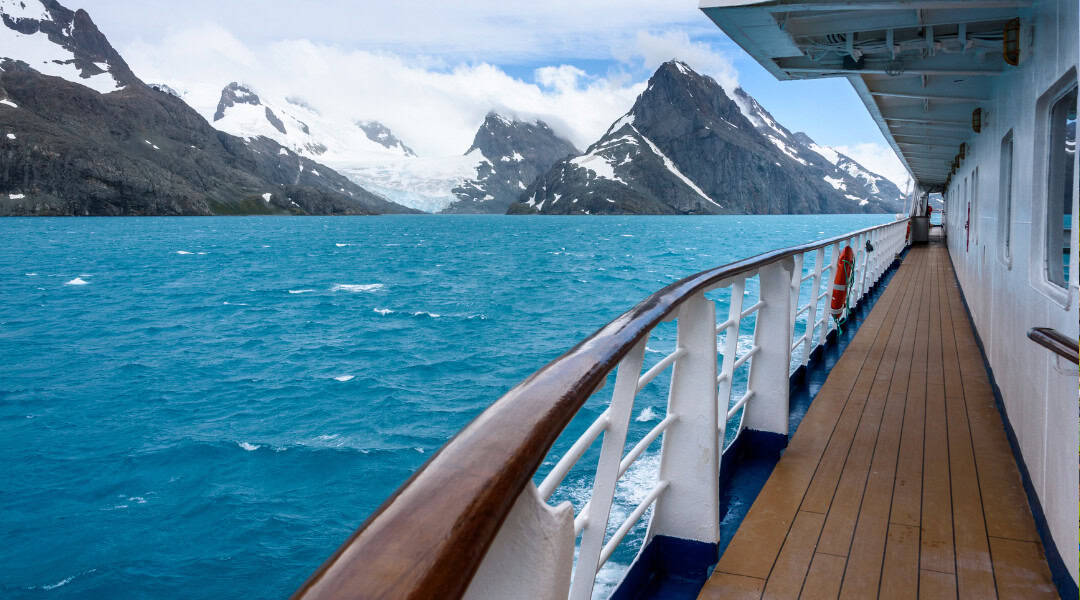
South America and Antarctica cruises feature vibrant cities, dramatic coastlines, and some of the world's most remote landscapes. These itineraries are ideal for travelers seeking breathtaking scenery, wildlife, and unforgettable once-in-a-lifetime adventures.

Popular Ports of Call
  • Buenos Aires
  • Montevideo
  • Ushuaia
  • Punta Arenas
  • Antarctic Peninsula (expedition)
Common Departure Ports
  • Buenos Aires
  • Ushuaia
  • San Antonio (Chile)
  • Rio de Janeiro

DESTINATION GUIDES

Coming Soon: Explore detailed guides for Jamaica's three most popular destinations below.

CRUISING FAQs

Whether you're planning your first cruise or preparing for your next sailing, we've answered some of the most common questions about cruising below. From choosing the right cruise line to understanding shore excursions, onboard amenities, and cabin locations, you'll find helpful information to make planning your next cruise easier.

Choosing the right cruise line depends on your travel style, budget, preferred destinations, and the type of atmosphere you’re looking for. Some cruise lines specialize in family-friendly entertainment and activities, while others cater to adults, luxury travelers, or guests seeking a quieter, more refined experience. Consider factors such as ship size, dining, entertainment, accommodations, and overall onboard atmosphere before making your decision.

Learn more: Best Cruise Lines for Black Travelers

  • Cruise fare, taxes, and port fees

  • Stateroom accommodations

  • Dining

  • Basic beverages

  • Onboard entertainment

  • Pools, fitness centers, and recreational activities

Most mainstream cruise fares include unlimited dining at designated restaurants, including the main dining room, buffet, and select casual eateries. Basic beverages such as water, regular coffee, tea, milk, and select juices or lemonade are generally included. Inclusions vary by cruise line, with some premium and luxury brands offering additional amenities and services.


  • Beverages

  • Specialty dining

  • Wi-Fi

  • Shore excursions

  • Gratuities

  • Flights and hotels

  • Transfers

Most mainstream cruise lines charge extra for sodas, alcoholic beverages, bottled water, specialty coffees, specialty restaurants, and internet access. Shore excursions and gratuities are also generally additional expenses. Flights, pre- and post-cruise hotels, and transfers are usually arranged separately. Some cruise lines offer packages that bundle these extras, while certain premium and luxury brands include more amenities in their fares. Spa treatments and personal purchases typically cost extra as well.

Cruise ship cabins are located in different areas of the ship, and their location can affect comfort, convenience, views, and how much movement you feel while sailing.

  • Forward (front): Cabins toward the front of the ship may experience more noticeable motion, particularly in rough seas.

  • Midship (center): Cabins near the middle of the ship generally experience less movement and provide convenient access to different areas onboard.

  • Aft (rear): Cabins toward the back of the ship may offer beautiful wake views, especially from aft-facing balconies, but can experience some vibration or movement depending on the vessel.

  • Lower decks: Often a good choice for travelers concerned about motion sickness, particularly when combined with a midship location.

  • Upper decks: May offer convenient access to pools, restaurants, and entertainment, but some cabins can experience more noise from nearby public areas.

Choosing the right cruise cabin depends on your budget, travel preferences, and desired level of comfort. Cruise ships offer several accommodation types, including:

  • Interior cabins: Typically the most affordable option, with no exterior windows.

  • Oceanview cabins: Feature a window or porthole with views outside the ship.

  • Balcony cabins: Include a private outdoor space where you can enjoy fresh air and ocean views.

  • Suites: Offer more spacious accommodations and may include upgraded amenities, exclusive facilities, or additional services.

Cabin location is equally important. Midship cabins on lower decks generally experience less noticeable movement, making them ideal for travelers prone to seasickness. Forward cabins may experience more motion, while aft cabins can offer beautiful wake views, particularly from rear-facing balconies. Upper decks may provide convenient access to pools and entertainment, while lower decks can offer a quieter experience depending on what’s nearby.

Before booking, review the ship’s deck plans and consider nearby elevators, restaurants, entertainment venues, and other public areas to find the cabin that best suits your needs.

Before departure, you’ll typically complete online check-in, submit required travel information, and receive instructions for arriving at the cruise terminal. On embarkation day, you’ll present your travel documents, pass through security, and complete any remaining check-in procedures before boarding. Once onboard, you’ll complete the required safety briefing or muster process, explore the ship, and begin enjoying your vacation. Procedures vary by cruise line, but the boarding process is generally straightforward when you arrive prepared.

Shore excursions are tours and activities available at the destinations your cruise visits. They can include sightseeing tours, cultural experiences, beach visits, food tours, and adventure activities.

Most mainstream cruise lines charge separately for shore excursions, although some river and luxury cruise lines include select excursions in their fares.

You have several options for exploring each destination:

  • Cruise line excursions: Tours arranged through the cruise line.

  • Independent excursions: Tours booked directly with local operators or third-party providers.

  • Exploring on your own: Visiting attractions, restaurants, or beaches without an organized tour.

Popular excursions can sell out, so booking in advance is recommended. Cruise line excursions generally offer greater protection if a tour runs late, while travelers booking independently are responsible for returning to the ship before departure. Always confirm your ship’s all-aboard time before leaving the port.

Not necessarily. Many travelers cruise without experiencing seasickness, and modern cruise ships are equipped with stabilizers that help reduce movement. However, some passengers may experience motion sickness, particularly during rough seas.

If you’re concerned about seasickness, there are several ways to reduce your chances of experiencing it:

  • Choose a midship cabin on a lower deck: These locations generally experience less noticeable movement.

  • Consider your itinerary: Cruises through calmer, more sheltered waters may offer a smoother experience than open-ocean crossings.

  • Spend time outdoors: Fresh air and looking toward the horizon can help reduce symptoms.

  • Stay hydrated: Drink plenty of water and avoid excessive alcohol.

  • Consider motion sickness remedies: Over-the-counter medications, patches, and other remedies may help, but check with a healthcare professional before using them.

If you’re prone to motion sickness, planning ahead can make a significant difference. Many travelers who experience seasickness still enjoy cruising with the right precautions.

River cruises typically take place aboard smaller ships that travel along inland waterways, allowing passengers to explore cities, towns, and cultural destinations that larger ocean ships cannot reach. River cruises often feature fewer passengers, a more intimate atmosphere, and itineraries focused on sightseeing, history, and local culture.

Ocean cruises generally sail aboard larger ships with a wider range of onboard amenities, entertainment, dining options, and recreational activities. They often visit coastal destinations, islands, and major ports.

River cruises also tend to include more in their fares, such as guided excursions, Wi-Fi, and select beverages, although inclusions vary by cruise line.

For a closer look at destinations, cruise lines, and what to expect, explore our Complete Guide to River Cruising.

Plan Your Next Cruise

Need Help Planning?

Let our travel experts handle the details, from accommodations and transportation to tours and personalized recommendations.

Plan My Next Cruise

CRUISING ARTICLES